
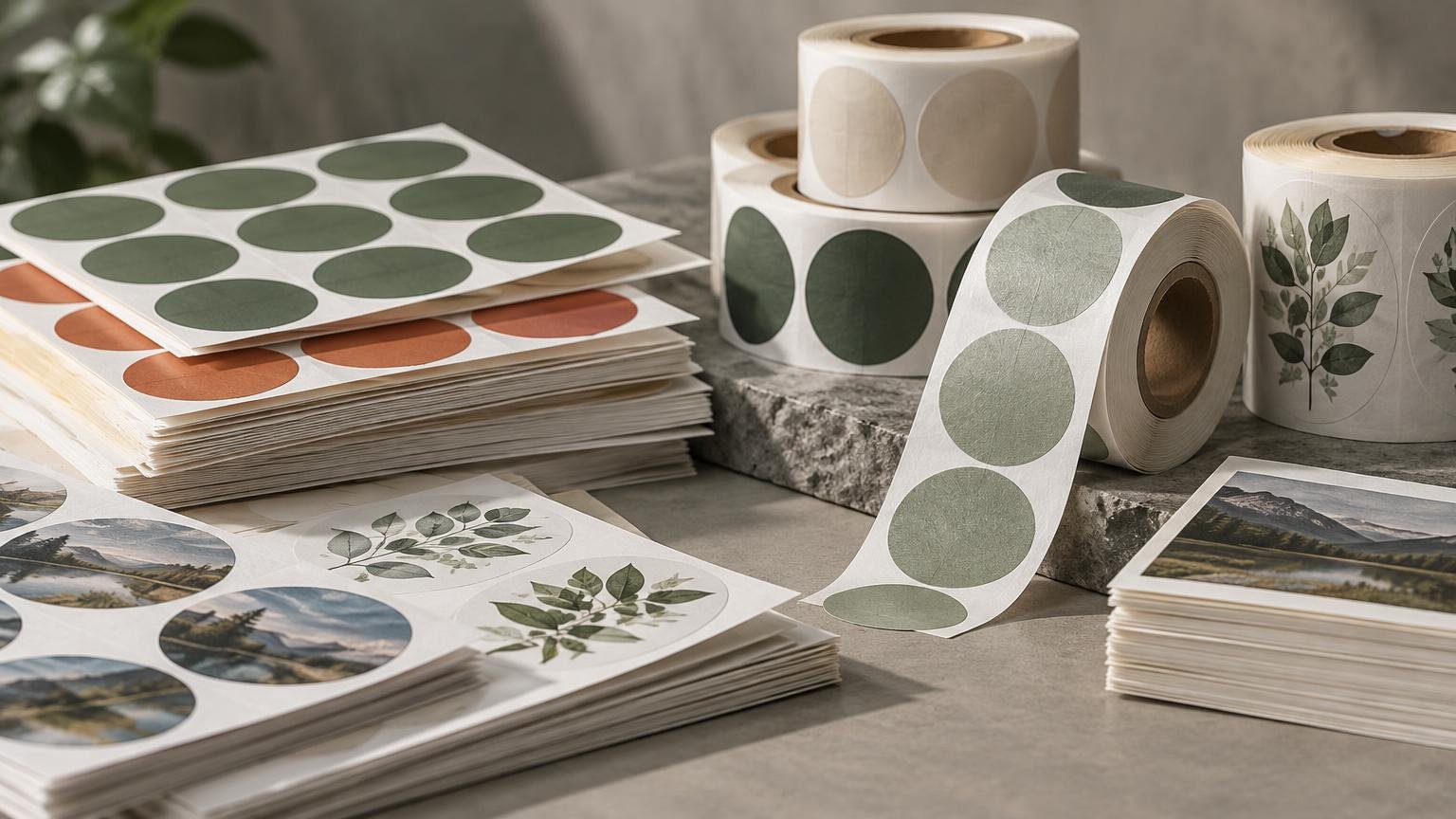
Bulk Sticker Orders: Quantities, Materials and Reordering
Plan bulk sticker quantities, materials, formats, packaging use, and reorders around how your business, event, or campaign will distribute them.
Bulk Sticker Orders: Quantities, Materials and Reordering
Ordering hundreds or thousands of stickers is not simply a bigger version of placing a small order. Quantity breaks can reduce unit price, but they also commit more cash and create inventory that needs storage, a stable design and a realistic path to use. Sticker Lots helps businesses, event teams, ecommerce brands, marketers and creators weigh those tradeoffs before choosing a run size. It also makes artwork approval, storage capacity, and eventual reorders easier to plan with fewer surprises.
The right quantity starts with the job. Packaging labels follow product volume and SKU demand, while event giveaways depend on attendance, distribution plans and reserve stock. Merch requires another calculation involving pack size, sales expectations and artwork variety. Our guides connect those practical uses to sticker size, format, material, finish and application workflow so the order fits how each sticker will actually be handled.
Sticker Lots also explains the production language that can change an order. That includes die-cut and kiss-cut formats, rolls and sheets, paper and vinyl, clear materials, specialty finishes, proof requirements and artwork considerations. When prices or production options vary by supplier, readers should check current manufacturer specifications and compare equivalent configurations rather than relying on a headline unit price alone.
Latest from Sticker Lots
How to Price Sticker Packs for Online Sales — Quantities, Cost, and Reordering
A practical method for pricing sticker packs around production cost, marketplace fees, contribution margin, pack quantity, and reordering risk.
Read more
How Much Do Bulk Stickers Cost? What Actually Changes the Price
Bulk sticker cost depends on quantity, size, material, format, finish, design count, turnaround, and shipping. The lowest unit price is not always the lowest-risk order.
Read more
How Many Stickers Do You Need for a Trade Show?
Estimate a trade show sticker order from expected booth traffic, giveaway plans, attendee bags, staff needs, reserve stock, and post-show use.
Read more
Sticker Quantity Discounts Explained: Why Unit Price Usually Falls With Volume
Learn why sticker unit prices often fall at higher quantities and how to decide whether the extra inventory is worth the cash, storage, and obsolescence risk.
Read more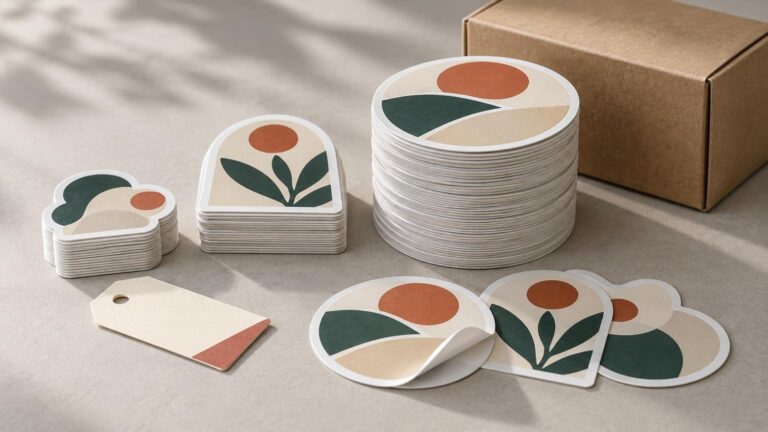
When Bulk Sticker Pricing Beats Coupon Codes: Quantities, Cost, and Reordering
Compare bulk quantity tiers, coupon-adjusted orders, and promotional bundles using delivered cost, realistic usage, inventory risk, and reorder flexibility.
Read more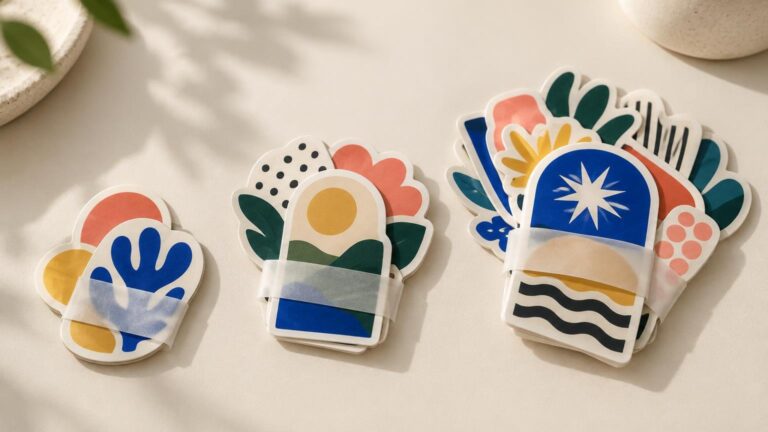
3-Pack vs 5-Pack vs 10-Pack Stickers for Merch: How to Choose
Choose between 3-, 5-, and 10-sticker merch packs by matching the count to your artwork, packaging, pricing, shipping, lineup, and reorder plan.
Read morePlan the order around real usage
A low unit price only creates value when the stickers get used. Before moving into a higher quantity tier, estimate consumption over a defined period and account for seasonal campaigns, packaging changes, updated contact details and designs that may become obsolete. Compare the delivered total, not just the per-sticker figure, and consider whether a smaller reorder preserves useful flexibility. A good plan also separates designs with long useful lives from campaign artwork, seasonal messages, or details likely to change before the inventory is gone or storage space runs out.
For repeat orders, save the approved artwork, dimensions, material, finish, adhesive, cut style, quantity and proof notes together. Track how quickly inventory moves and set a reorder point that leaves room for production and shipping. This turns sticker buying into a manageable process: forecast the need, choose the appropriate format, verify the specifications and reorder from a clear record instead of rebuilding the decision each time.